Slow Puncture: Causes and Quick On-Site Repair
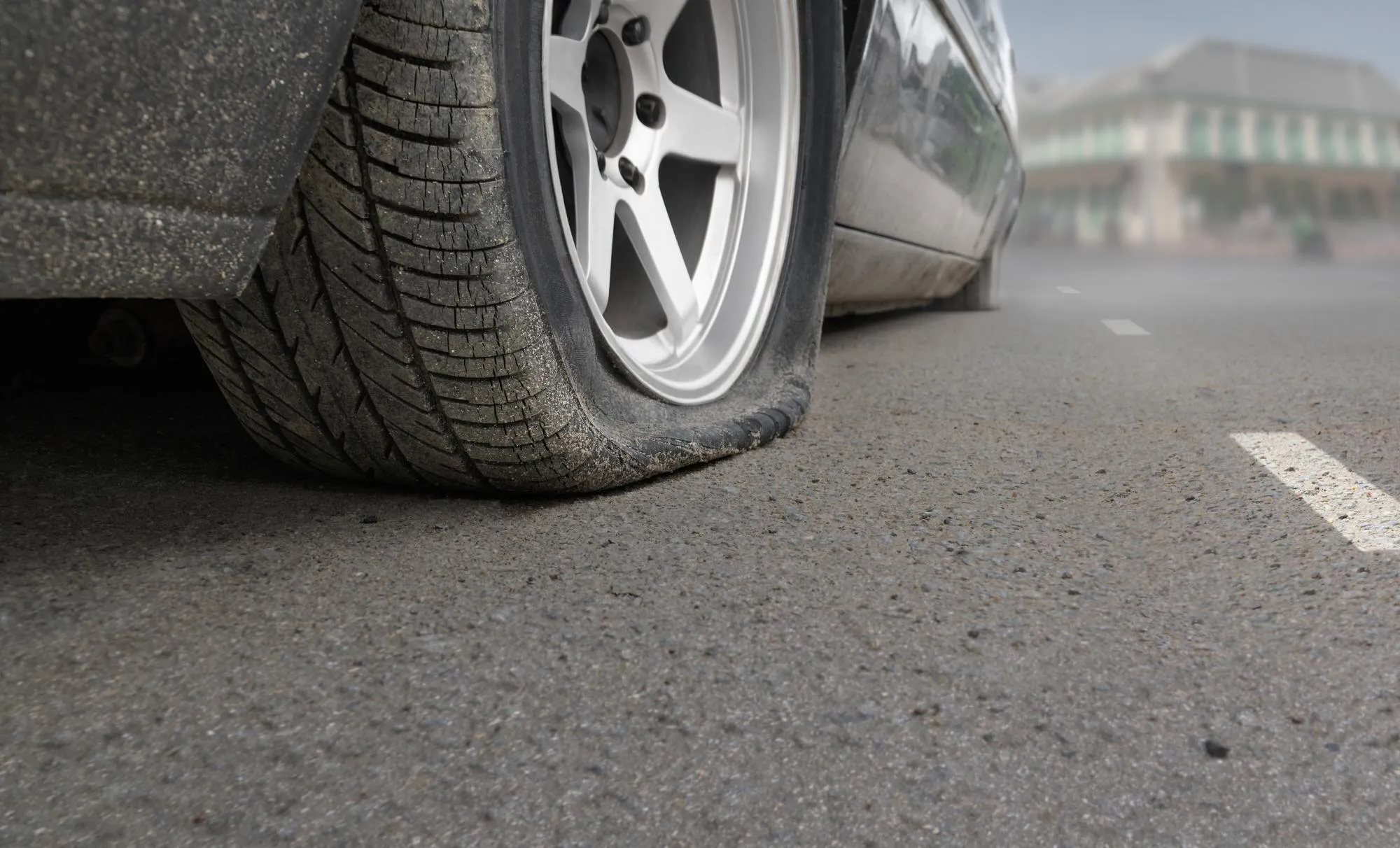
For most drivers, a puncture means a sudden bang, or the sight of the tyre sagging completely onto the tarmac. But there is a much more insidious kind of tyre damage, which can go unnoticed for days or even weeks, constantly endangering road safety and the condition of the tyre. This phenomenon is the slow puncture. Many people tend to brush it off and just top the tyre up with a little air once a week at the petrol station, but in the long run this tactic is decidedly risky. In this post we take a thorough look at what can be behind the problem and how it can be fixed professionally without you having to leave your home or workplace.
Signs of a Slow Puncture: How Can You Spot the Problem?
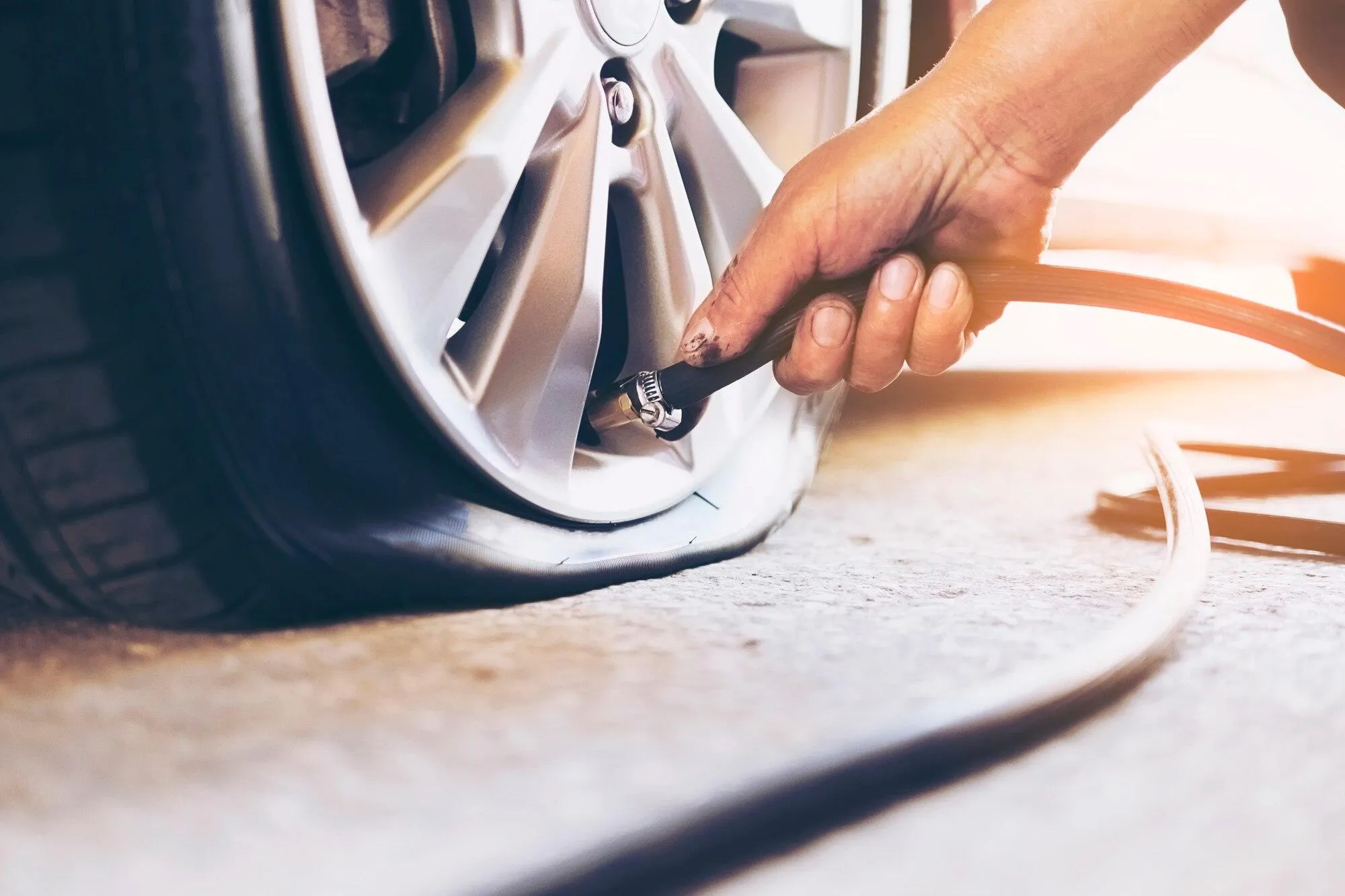
One of the most obvious signals in modern cars is the warning from the tyre pressure monitoring system. If the familiar yellow icon lights up on the dashboard, don't wait for a miracle. Even if the tyre doesn't look flat to the eye, the system detects the few tenths of a bar of difference that already affects how the car behaves and its fuel consumption.
On older models, where there is no electronic protection, you have to rely on the driver's observations. If you notice that the car feels less sure on one side when cornering, or pulls slightly to one side under braking, suspect a loss of pressure. A slow puncture is often also visibly telling: the sidewall of the affected tyre bulges slightly more than the others, or you see a glinting piece of metal, such as a screw, stuck in one spot on the tread. It's worth checking the pressure regularly, because if one wheel regularly has less air than the others, there may well be a leak, which must not be ignored.
Causes of a Slow Puncture: Why Does a Tyre Go Down Over Days?
In my experience, the most common cause is a foreign object lodged in the tread. A thin nail or a short wood screw can embed itself in the rubber in such a way that it partly plugs the hole it made itself. In that case the air escapes only at a minimal rate, which leads to a significant drop in pressure over days.
- Another common source of faults is the condition of the valve. Tyre valves that age over time can crack, or leak because of a fault in the valve stem.
- Sometimes a missing valve cap can also cause trouble if dirt gets into the mechanism, which prevents it from sealing perfectly.
- Less often, but it does happen, leaks at the rim edge also occur. If the rim is corroded or has been slightly deformed by a pothole, the tyre bead can't seat airtight against the metal.
- In winter, road salt can particularly speed up the oxidation of metal surfaces, which leads to slow but continuous pressure loss.
- Finally, it's worth mentioning the tyre material itself: the structure of old, cracked rubber can become porous, which can also cause inexplicable deflation.
If one wheel regularly has less air than the others, that almost certainly points to a slow puncture. Don't put off having it checked!
Repairing a Slow Puncture: When Can the Tyre Still Be Saved?
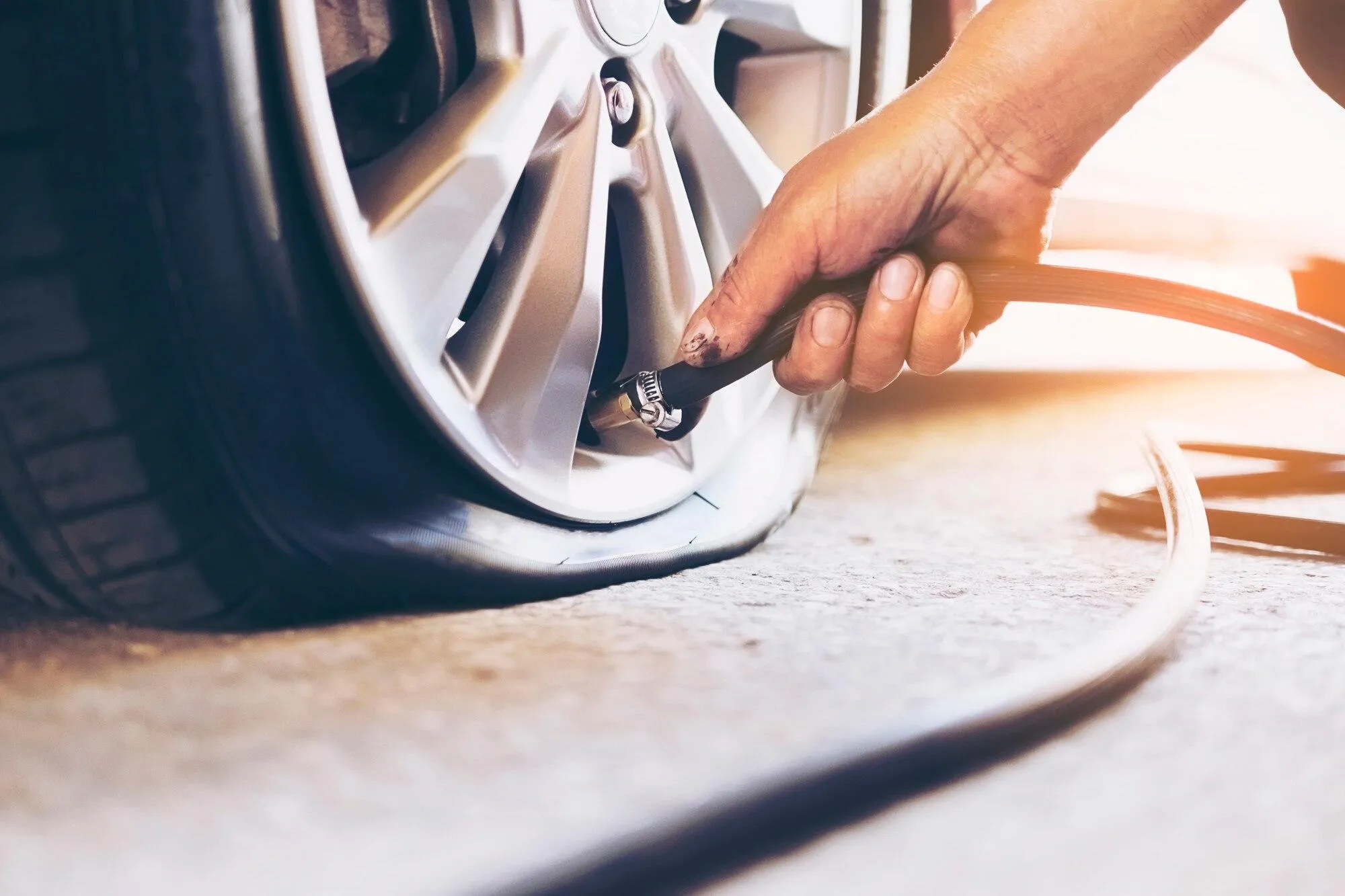
The good news is that most slow punctures can be repaired very well, provided we act in time. The basic condition for repair is that the damage is in the tread and doesn't affect the tyre's sidewall. When I go out to the site, the first thing I do is always a thorough inspection. If a foreign object caused the problem, I remove it and then seal the hole from the inside with a special vulcanising mushroom patch. This method is much more durable and safer than repair strips pulled in from the outside, because the mushroom patch not only seals but also protects the tyre's internal steel structure from corrosion caused by moisture seeping in.
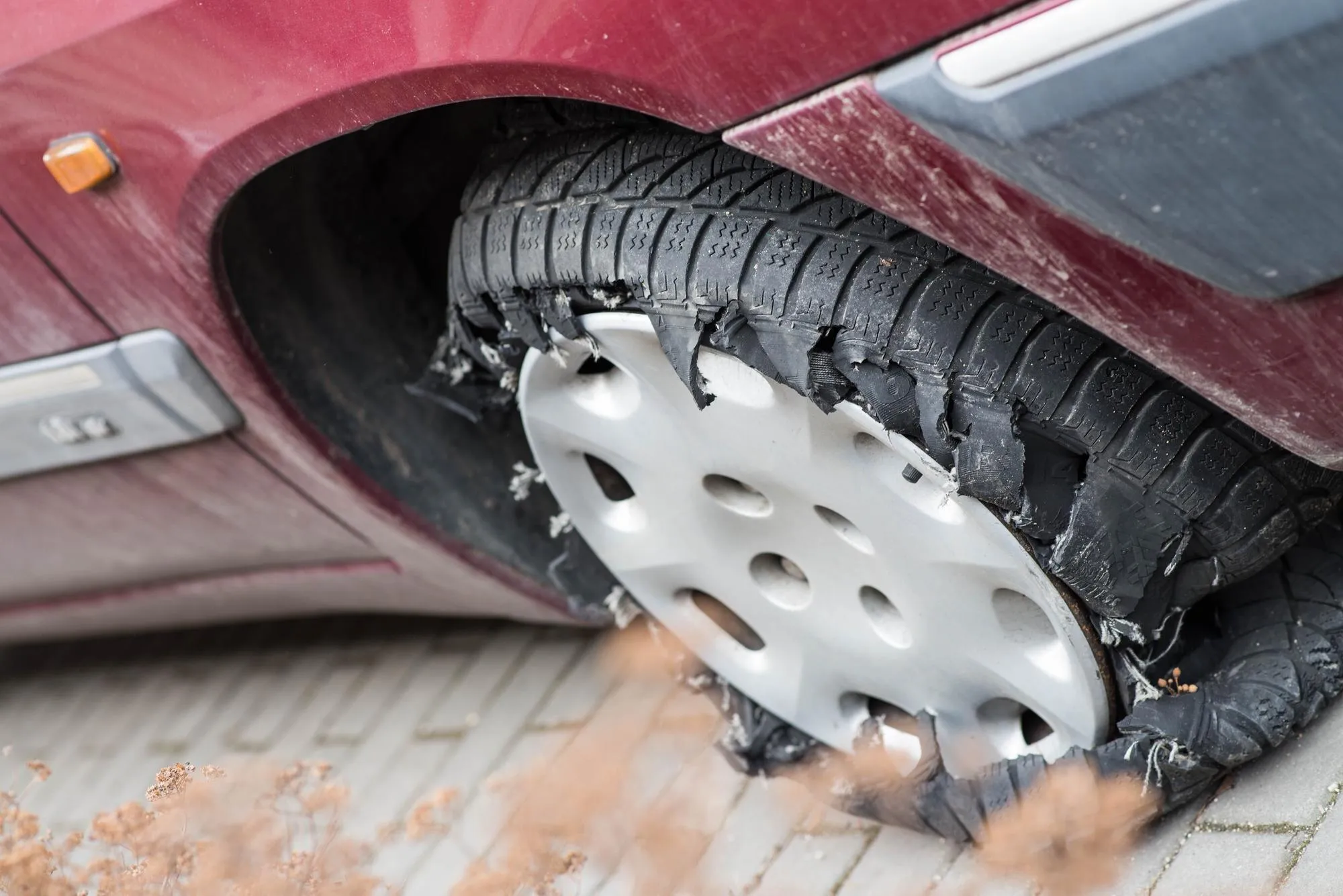
Unfortunately, there is a point of no return. If a tyre has been driven on at low pressure for too long because of a slow puncture, the tyre's internal structure can be irreversibly damaged. In that case the rim starts to grind away the inner wall of the tyre, which is shown by the black rubber dust visible once the tyre is dismounted. Repair is then no longer possible, because the tyre could burst or collapse structurally at any time. That's why I always stress: don't wait until the tyre is completely flat, ask for help at the first suspicious sign.
If you drive on low pressure for too long, the rim irreversibly destroys the tyre's internal structure. Ask for help at the first sign!
Mobile Tyre Help: Professional Service Tailored to You
Many people put off the repair because they don't have time to spend hours in a tyre workshop, or because they fear that fitting the spare wheel involves too much dirt and physical work. This is where I come in. With my mobile tyre service I spare you the queuing and unnecessary waiting. You don't have to call a tow truck or risk the journey to the nearest garage on dangerously low pressure. I come to wherever is convenient for you: your home, your workplace, or even a shopping centre car park.
With my specially equipped service vehicle I deliver on site the same quality you may be used to in a big workshop. I have a professional tyre changer as well, so after the repair I put the wheel back on the car properly. Because I work as a one-person business, I guarantee personal attention and precise work in every single case.
Flat Tyre Repair Anywhere: Call and I'm on My Way
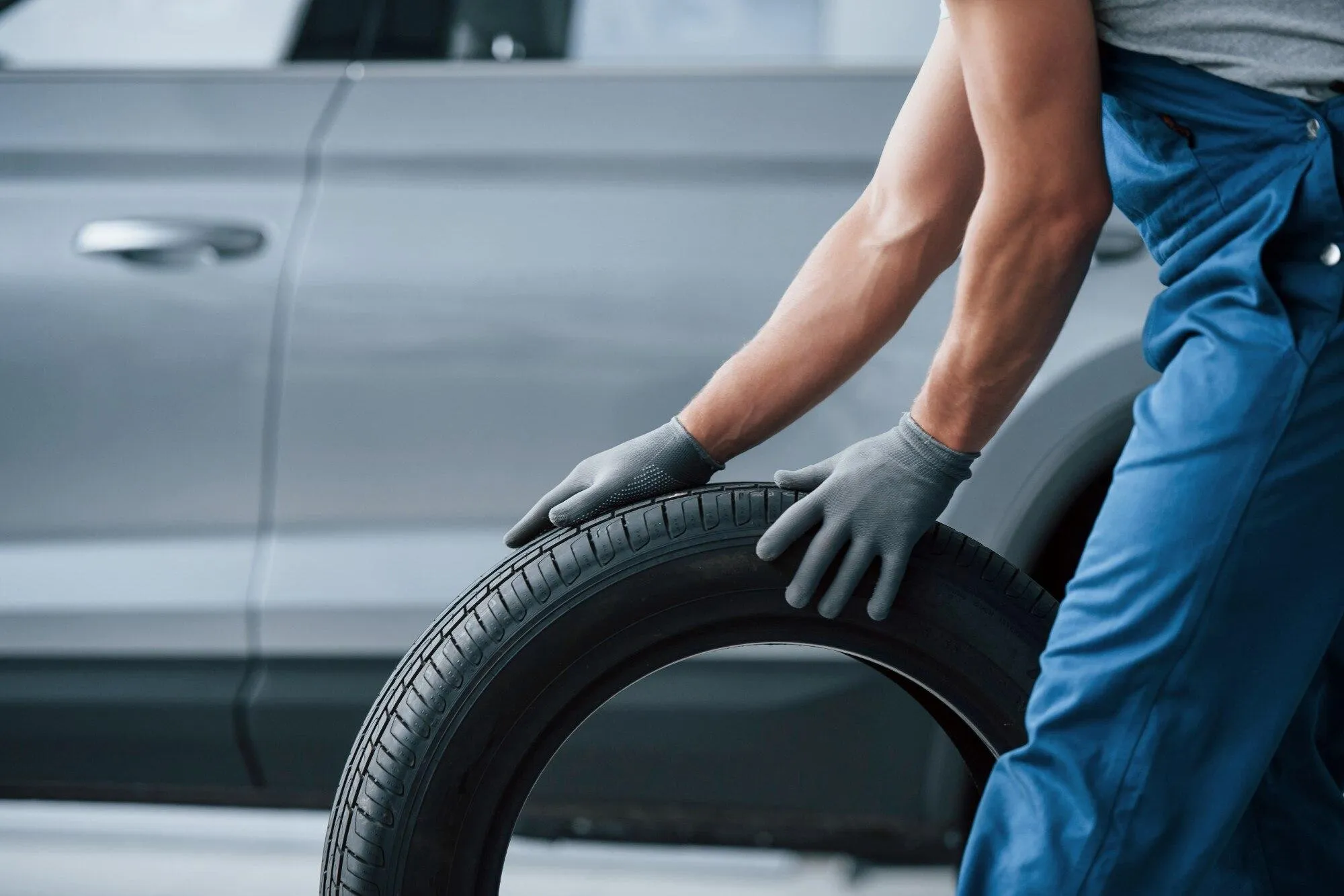
Why choose Defekt Doktor? Because I'm not just one tyre fitter among many. My specially equipped vehicle carries every tool that a professional workshop has.
- Fast callout: Within Budapest I can be on site in as little as 30–60 minutes.
- Expertise: I don't improvise; I work with professional machines and know-how.
- Fair prices: There are no hidden costs, and I tell you the expected charges in advance.
Don't let a flat tyre ruin your day! Call with confidence, and I'm already on my way!