ET Offset Explained: How to Choose the Right Rims
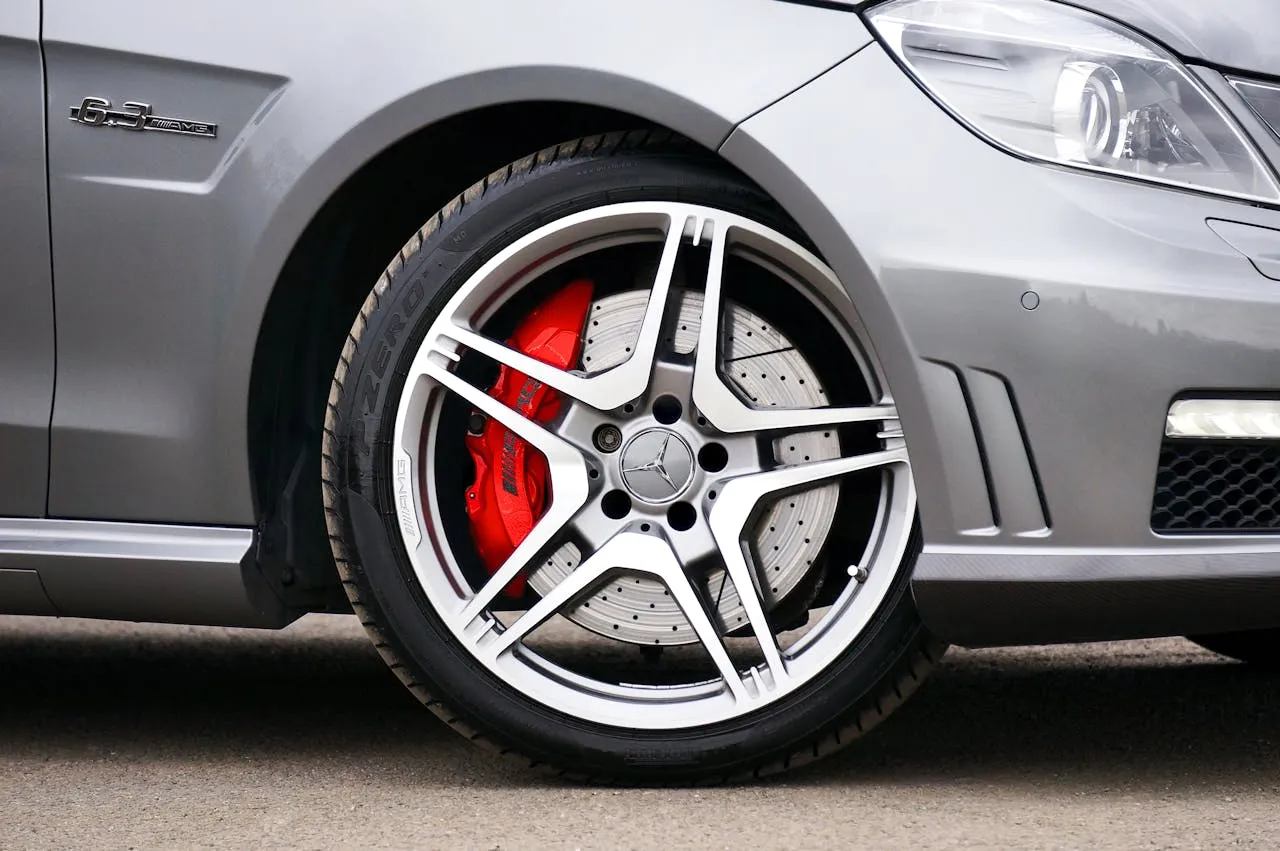
When looking for new wheels, it's easy to be lured by eye-catching design and bigger sizes. Many drivers instantly fall in love with the look of a stylish 17- or 18-inch alloy wheel and are already picturing how it would look on their car. Then, at fitting, disappointment often follows: the wheel doesn't fit, presses against the brake caliper, or sticks out too far from the line of the bodywork. The culprit is almost always one small, often overlooked marking: the ET number. This guide will help you avoid unnecessary spending and a wrong choice.
What Does the ET Number Mean?
The ET number (German: Einpresstiefe, i.e. press-in depth or wheel offset) is a simple geometric measure that fundamentally determines how the rim fits.
Technical definition: the ET number is the distance between the rim's vertical centre plane (axis of symmetry) and the mounting face against the wheel hub, expressed in millimetres.
Put more simply: this number shows how far the wheel's mounting point is from its geometric centre, and this determines whether the fitted wheel sits flush with the wheel arch or sticks out of it.
Rim ET Number: Positive, Negative or Zero?
The ET value can be of three kinds, depending on where the mounting face is located:
- Zero ET (ET0): The mounting face is exactly on the wheel's centreline.
- Positive ET: The most common on modern cars. The mounting face is shifted towards the outer edge of the wheel, so the wheel is pulled further in under the wheel arch.
- Negative ET: The mounting face points inwards, so the wheel is pushed outwards. It is typically used on off-road vehicles to widen the track.
What Rim Sizes Mean
To fully understand the role of the ET number, it's worth reviewing the whole size designation. A typical rim specification looks like this: 7.5J x 17 ET35.
- 7.5: The rim width in inches
- J: The flange profile designation (standard on passenger cars)
- 17: The rim diameter in inches
- ET35: The offset (press-in depth) is 35 mm
Important: the rim width and the ET number together determine the final position of the wheel. If you choose a wider rim, the ET value has to be recalculated!
Where Is the ET Number Found?
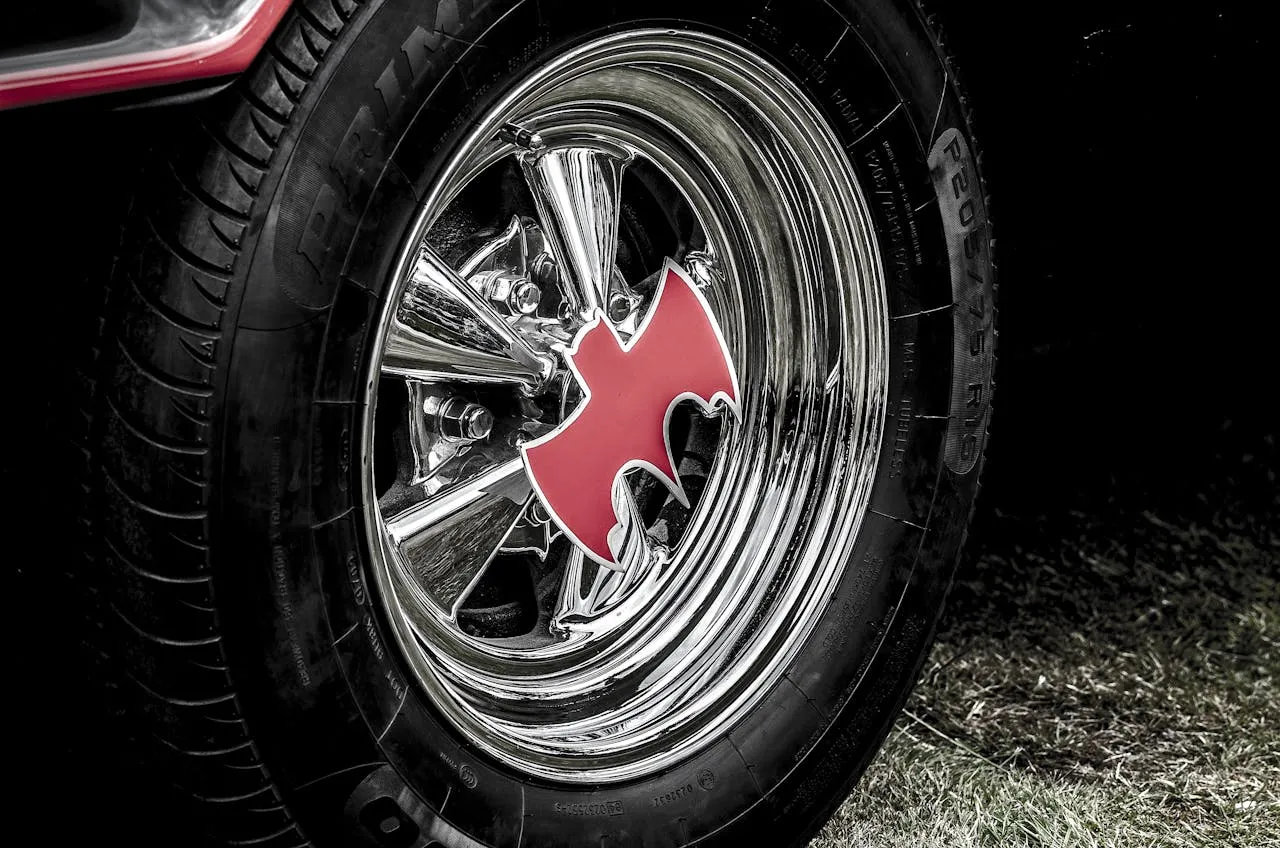
You don't need any measuring tools to check your current rim specifications. Manufacturers consistently mark this data on the product – you need to look at the inner surface of the rim. The two-digit number (e.g. ET45) is usually engraved on the inner surface of the spokes or around the hub ring. Some manufacturers, for example on BMW factory rims, use an IS marking, but the technical meaning is the same.
How Much Can the ET Number Differ?
This question comes up often. The answer is clear: deviation is possible, but only within strict limits.
Deviating from the factory values changes the track width, which directly affects the vehicle's handling and the lifespan of components.
If the ET Number Is Too High
The wheel is pushed too far inwards.
Risk: The inner edge of the wheel may touch the shock absorber, the brake caliper or the inner drum wall. Often the wheel can't be fitted at all, or the braking system is damaged the moment you pull away.
If the ET Number Is Too Low
The wheel is pushed outwards.
Risk: Although a wider track looks striking, with excessive deviation the tyre may rub against the wing over bumps or when turning. In addition, the changed leverage puts extra load on the wheel bearings, which leads to premature failure.
As a rule of thumb: a deviation of +/- 5–10 mm from the factory value may be tolerable, but this depends greatly on the rim width and the specific vehicle type.
Trouble With Your Wheels? Defekt Doktor Comes to You!
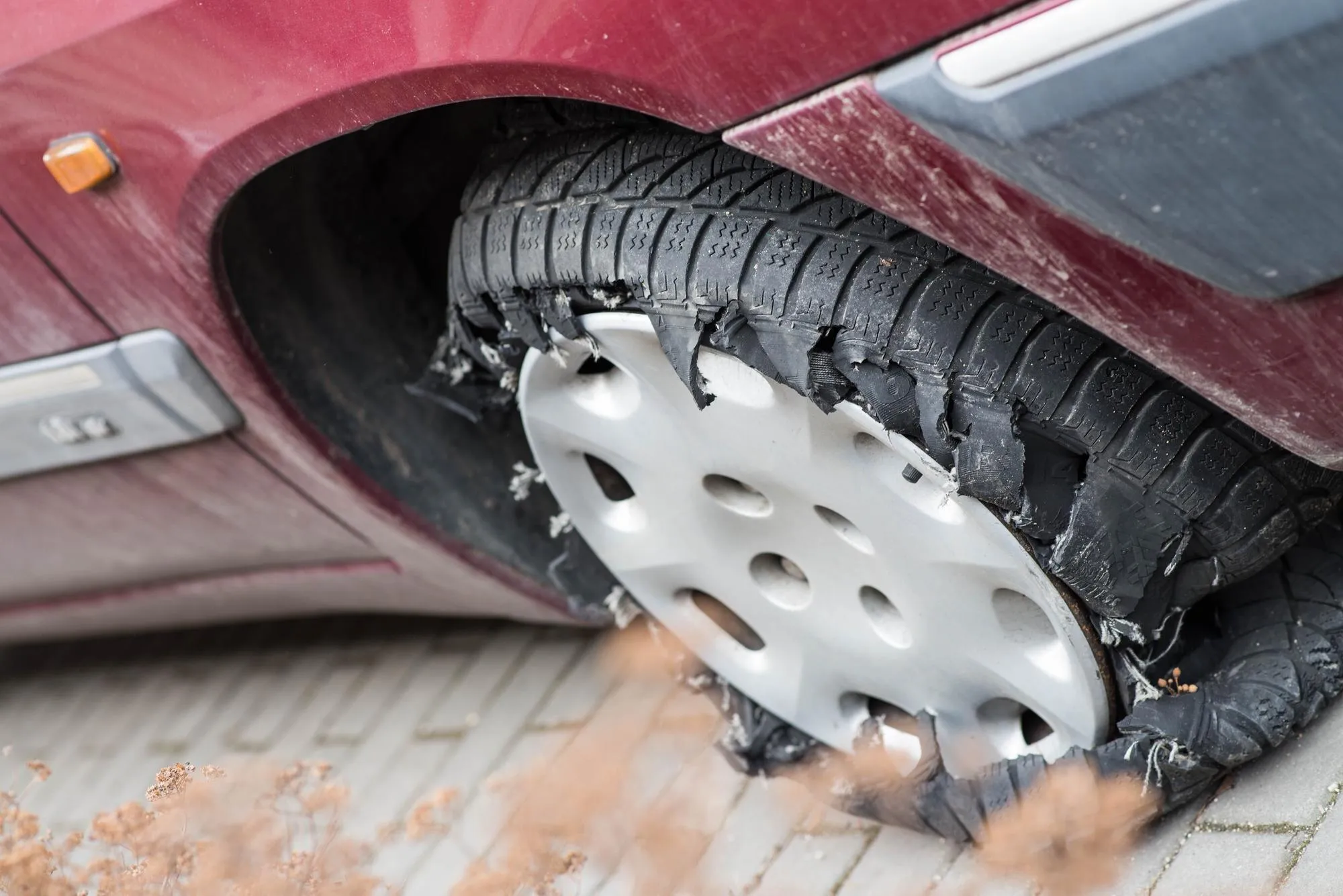
Finding the perfect rim and choosing the correct ET number is essential, but not enough on its own. The rim and the tyre form an inseparable unit. A wrongly chosen ET number not only strains the suspension, but can also fatally damage the tyre's sidewall if it touches the wing.
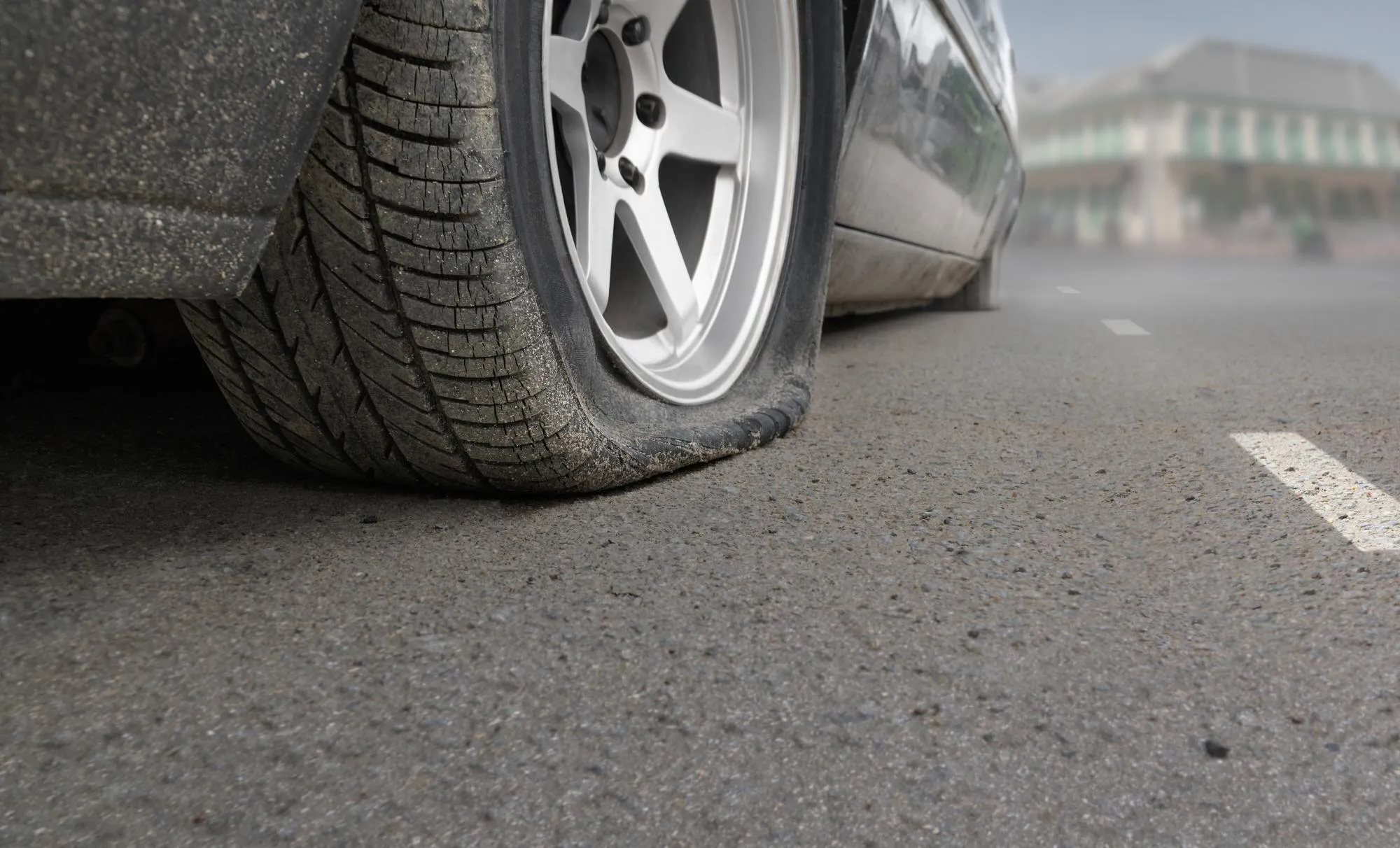
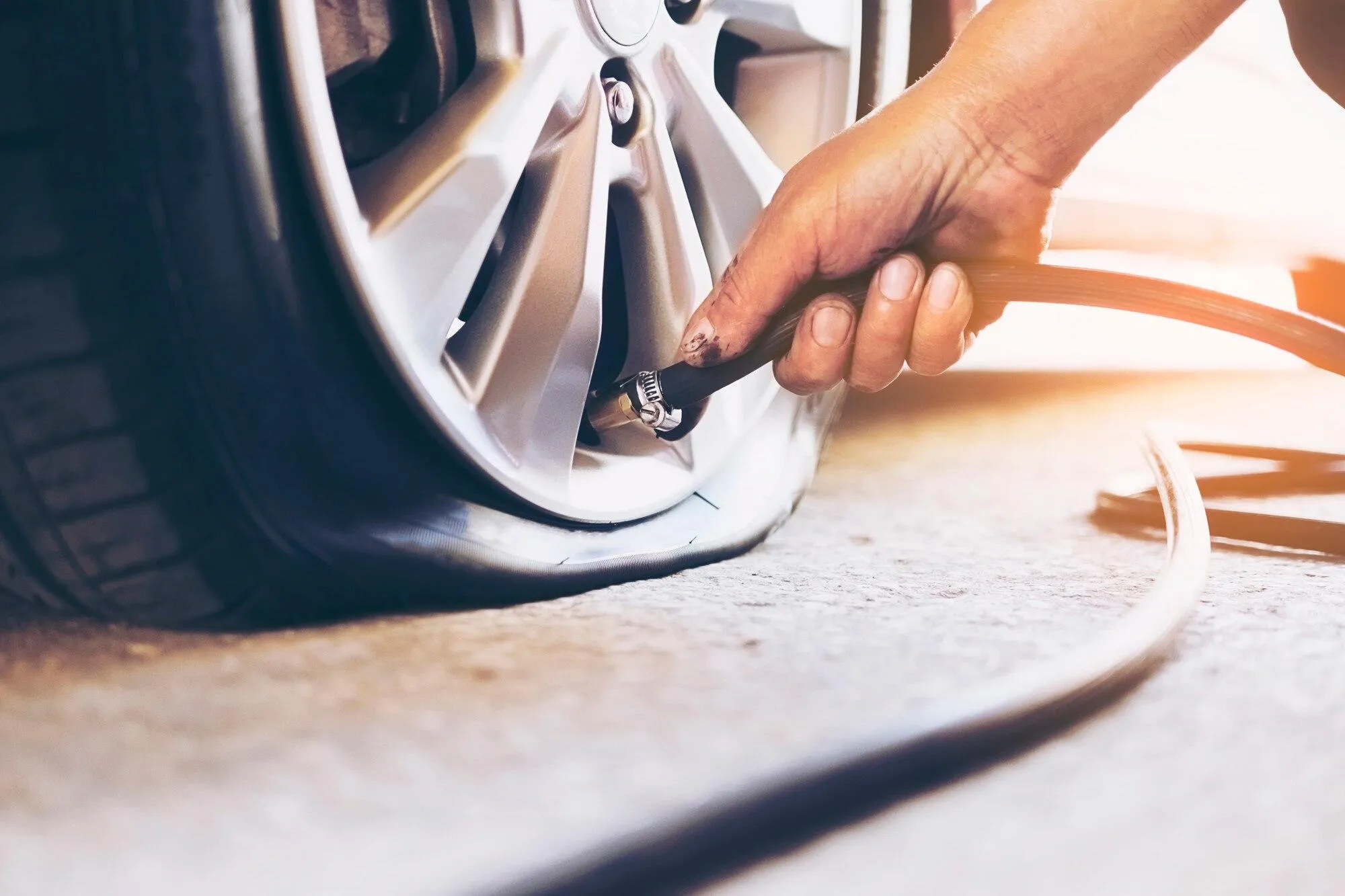
In situations like this – or in the event of any unexpected tyre puncture – you need fast, professional help to carry on with your journey.
- Fast callout: Within Budapest I can be on site in as little as 15–45 minutes.
- Expertise: I don't improvise; I work with professional machines and know-how.
- Fair prices: There are no hidden costs, and I tell you the expected charges in advance.
Don't let a flat tyre ruin your day! Call with confidence, and I'm already on my way!