I Have a Flat Tyre: What to Do and How to Get Going Again
There is nothing more annoying than having to cut short a journey that was going well, or your working day, because of a sudden technical fault. One of a driver's most common nightmares is the sight of a flat tyre or a strange vibration felt on the road. A string of questions immediately comes to mind: what could have happened, is it safe to stop at the roadside, and who can you turn to for the quickest solution? In this post we go through the most important steps so that you get through the ordeal with as little stress and as much safety as possible.
I Have a Flat Tyre on the Road: First Steps for Safety
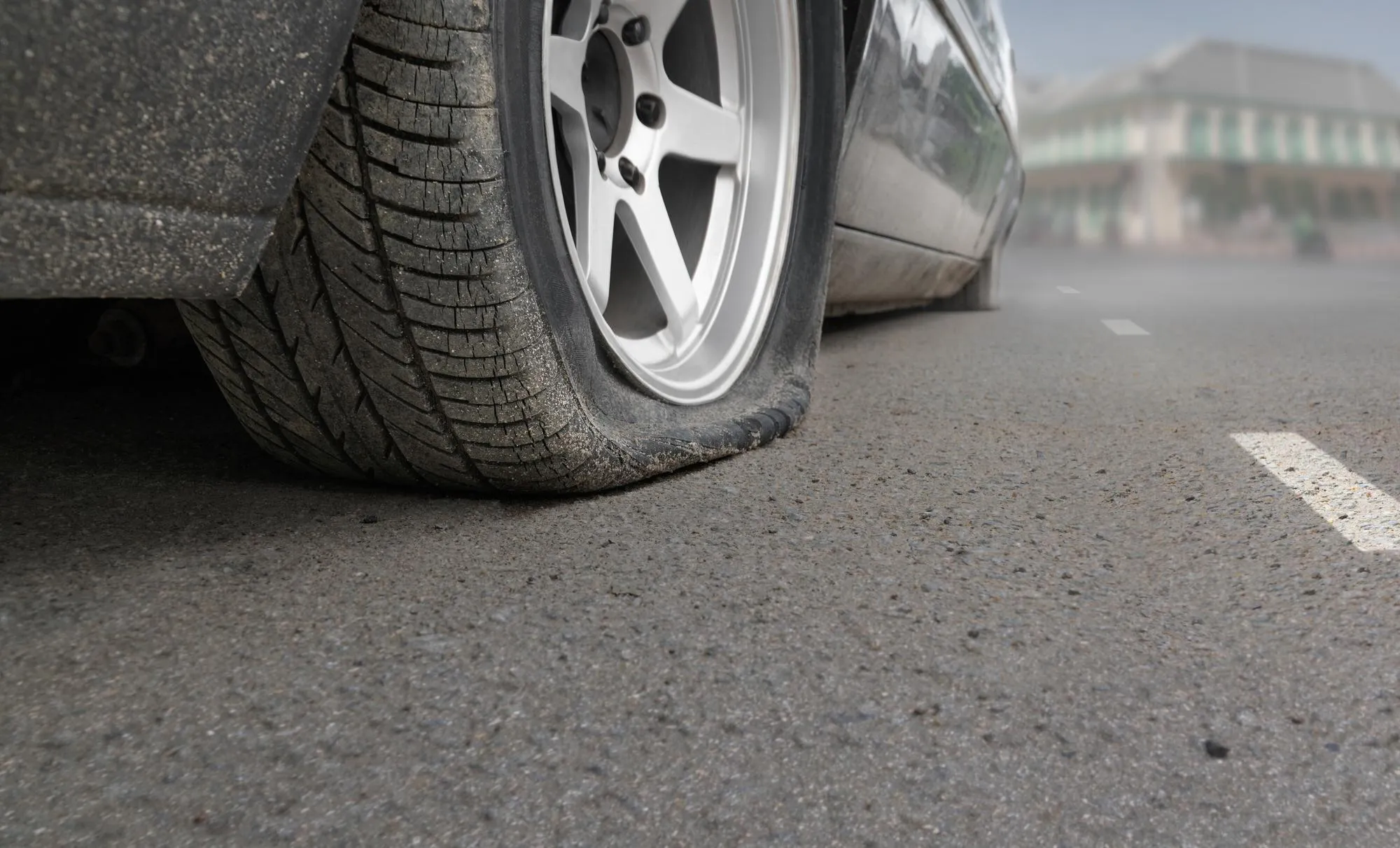
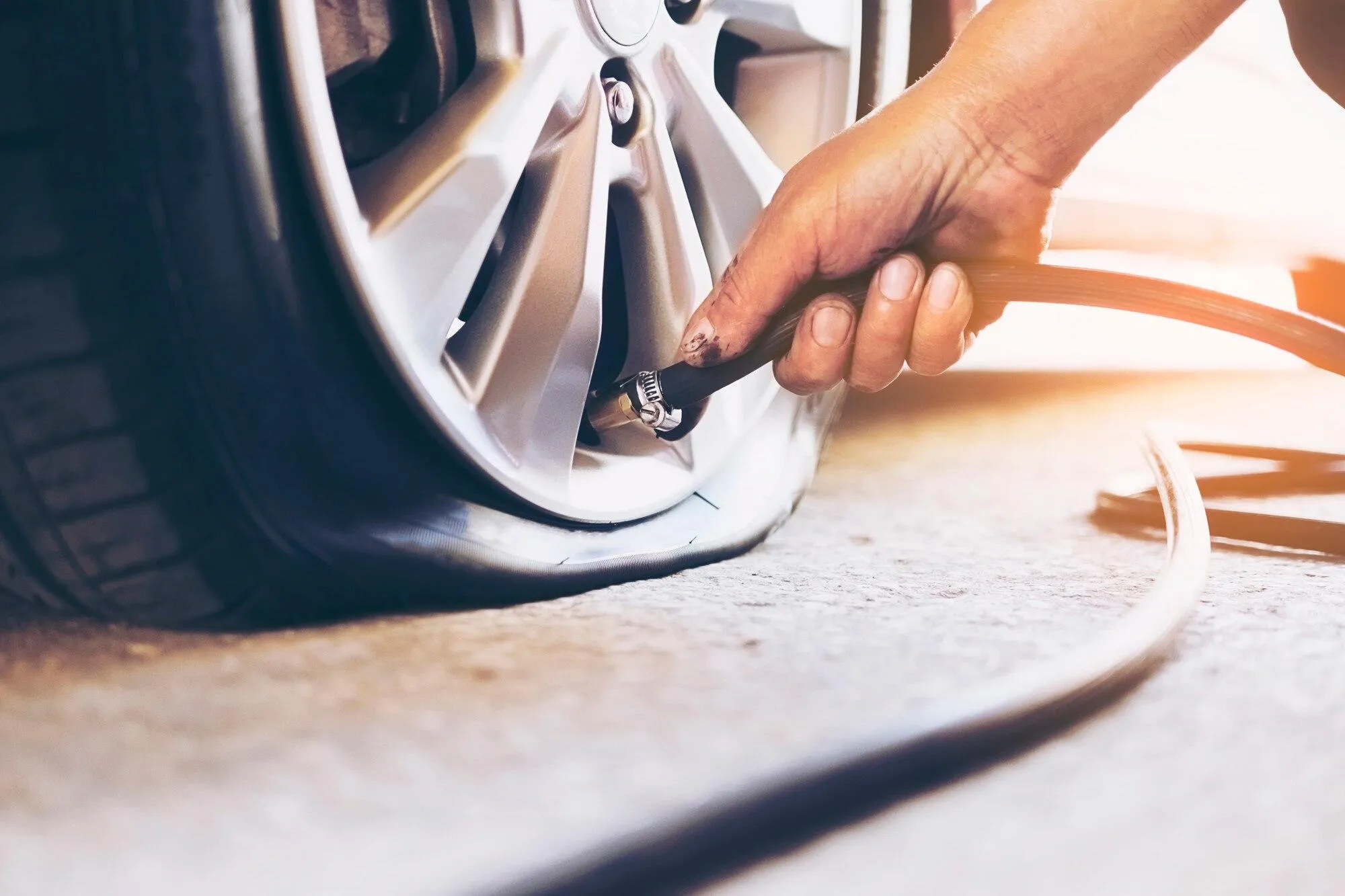
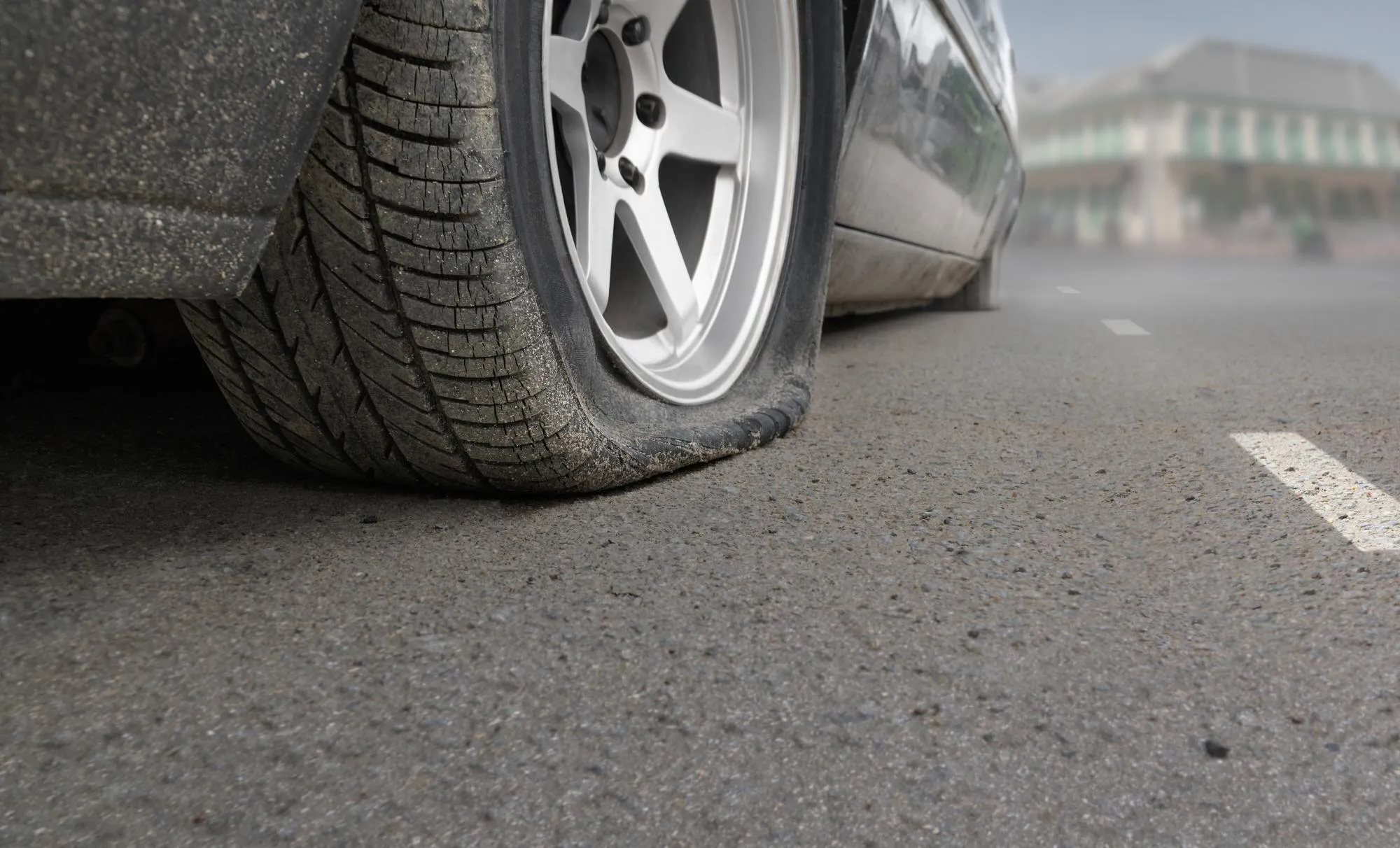
When you realise while driving that you have a flat tyre, the first and most important rule is to stay composed. However much of a rush you are in, sudden steering movements and emergency braking only make things worse, because the damaged tyre can make the car unstable. Try to slow down steadily and pull over to the side of the road or into a nearby lay-by.
Once you have stopped, immediately make sure you and your passengers are protected. Switch on the hazard lights, put on a high-visibility vest and set out the warning triangle at the right distance. If you have stopped on a motorway or a busy main road, for safety your passengers should wait for help behind the crash barrier. Only then is it worth taking a closer look at the wheel to assess the damage and decide on the next step.
On a motorway, passengers should always wait for help behind the crash barrier! Place the warning triangle at least 150 metres behind the vehicle.
The Most Common Causes of a Flat Tyre and How to Recognise Them
There can be many factors behind a flat tyre, and it isn't always obvious what triggered the problem. The most common cause is a foreign object piercing the tread, such as a screw or a sharp nail. In that case the air may leak out only slowly, and you might not see the problem until hours later, when you return to the car.
Often the tyre pressure monitoring system lighting up on the dashboard is the first sign, but we can also notice the signs with our own senses. If the car starts to pull to one side while driving, or you hear an unusual, rhythmic thumping or droning noise, don't wait any longer to stop. Cord breakage caused by potholes, or damage to the sidewall, is also a common problem, especially on poorer-quality side roads. Recognising these is vital, because the nature of the damage determines whether the tyre can be repaired.
Why Is It Dangerous to Drive on a Flat Tyre?
Many drivers think about going a few more kilometres to the next petrol station or tyre shop, but this is one of the biggest mistakes you can make. I want to stress that driving on a flat tyre is extremely dangerous. When there isn't enough pressure in the tyre, the rim starts to damage the tyre's inner structure and sidewall directly.
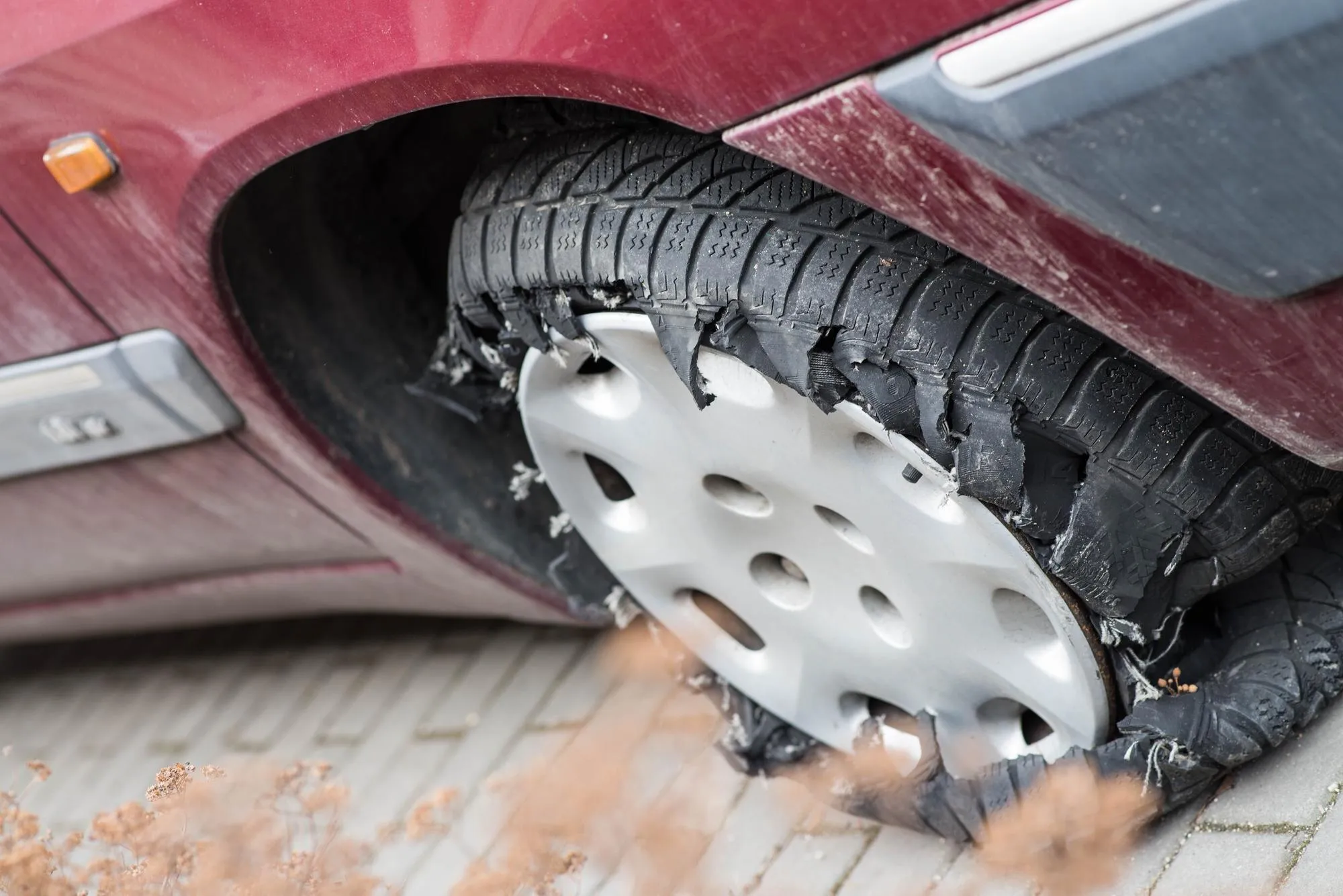
From a professional point of view, the greatest danger is internal structural failure. If you roll even a few hundred metres on a completely flat tyre, the edge of the rim grinds away the tyre's inner wall. This process shows up as black rubber dust building up inside the tyre, which makes it clear that the tyre is beyond saving and that continuing to use it would be life-threatening. If the car is stopped in time, the tyre can usually still be saved, but driving on will certainly lead to the tyre being scrapped for good and may even damage the rim.
Don't drive on a flat tyre! Even a few hundred metres is enough for the rim to irreversibly destroy the tyre's inner structure.
When Can a Flat Tyre Be Repaired, and When Does It Need Replacing?
The good news is that in a significant share of cases a flat tyre can be repaired properly, so you don't have to think about buying a new tyre straight away. The main condition for repairability is that the damage is in the tread and the diameter of the hole doesn't exceed a critical size. If a nail or screw in the middle of the tread caused the problem, it can almost always be put right.
However, there are situations where patching can't responsibly be recommended. If the tyre's sidewall is damaged, cut or torn, repair is not permitted, because that is where the tyre is under the greatest stress, which no patch could safely bridge. Replacement is also needed if I see signs of the internal structural damage mentioned above once the tyre has been taken off. In that case safety comes first, and the solution is to fit the spare wheel or get a new tyre instead of the tyre that can't be saved.
Professional On-Site Flat Tyre Repair
When I arrive at the stranded car, my aim is to restore the conditions for safe driving in the shortest possible time, without compromises. In my work I don't use repair plugs pushed in from the outside, which only provide a temporary solution; I work with an internal repair method. I always take the wheel off the rim to make sure the internal structure is intact, and then seal the damage with a special vulcanising mushroom patch.
This method guarantees that the repair lasts, and that corrosion doesn't start in the tyre's steel structure because of moisture getting in. The essence of my service is that I bring the standard of a quality workshop to wherever you are, whether that's the side of a busy road, your office car park or your home.
Experienced Mobile Tyre Specialist: Defekt Doktor
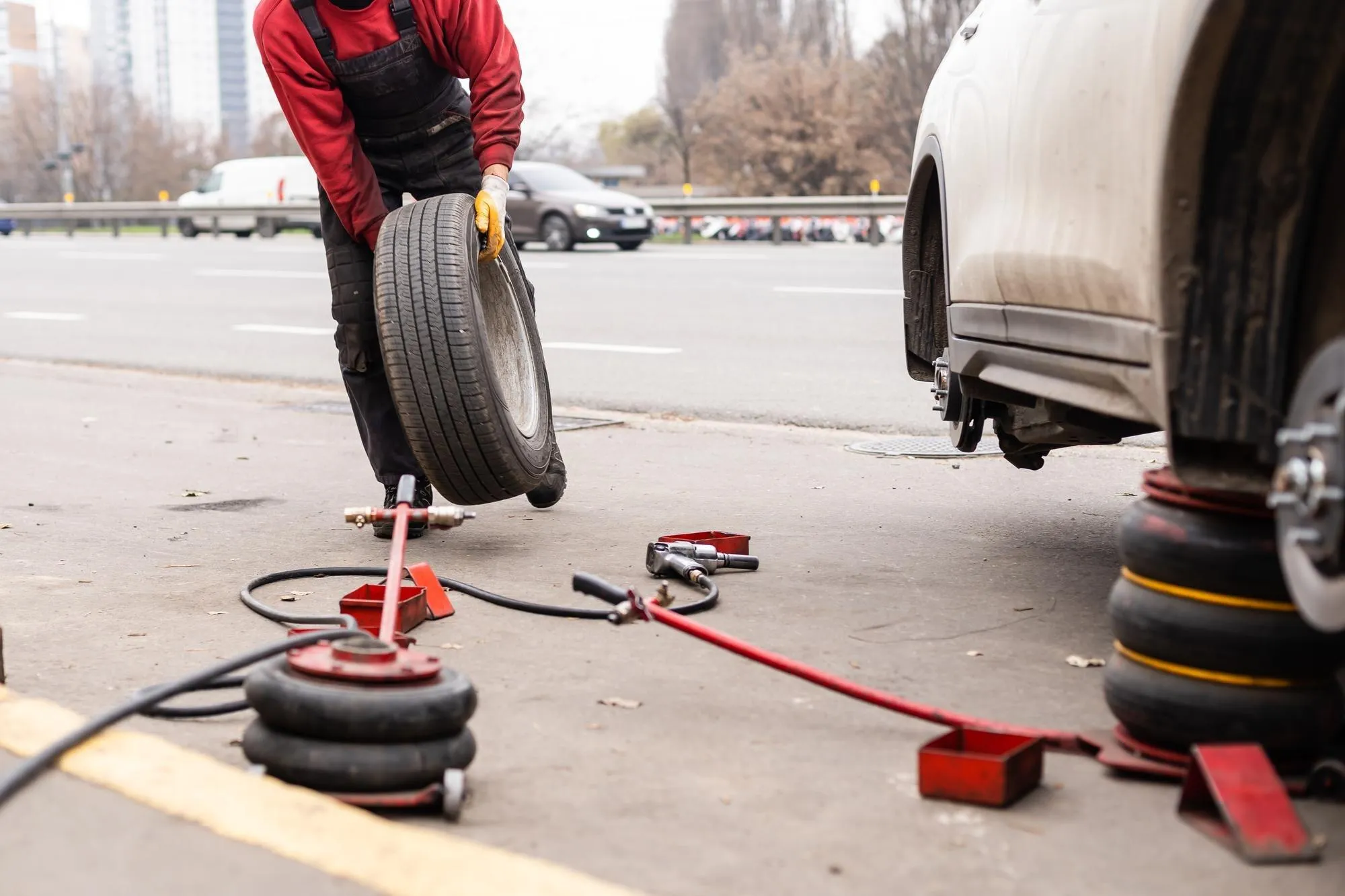
Why choose Defekt Doktor? Because I'm not just one tyre fitter among many. My specially equipped vehicle carries every tool that a professional workshop has.
- Fast callout: Within Budapest I can be on site in as little as 30–60 minutes.
- Expertise: I don't improvise; I work with professional machines and know-how.
- Fair prices: There are no hidden costs, and I tell you the expected charges in advance.
Don't let a flat tyre ruin your day! Call with confidence, and I'm already on my way!